
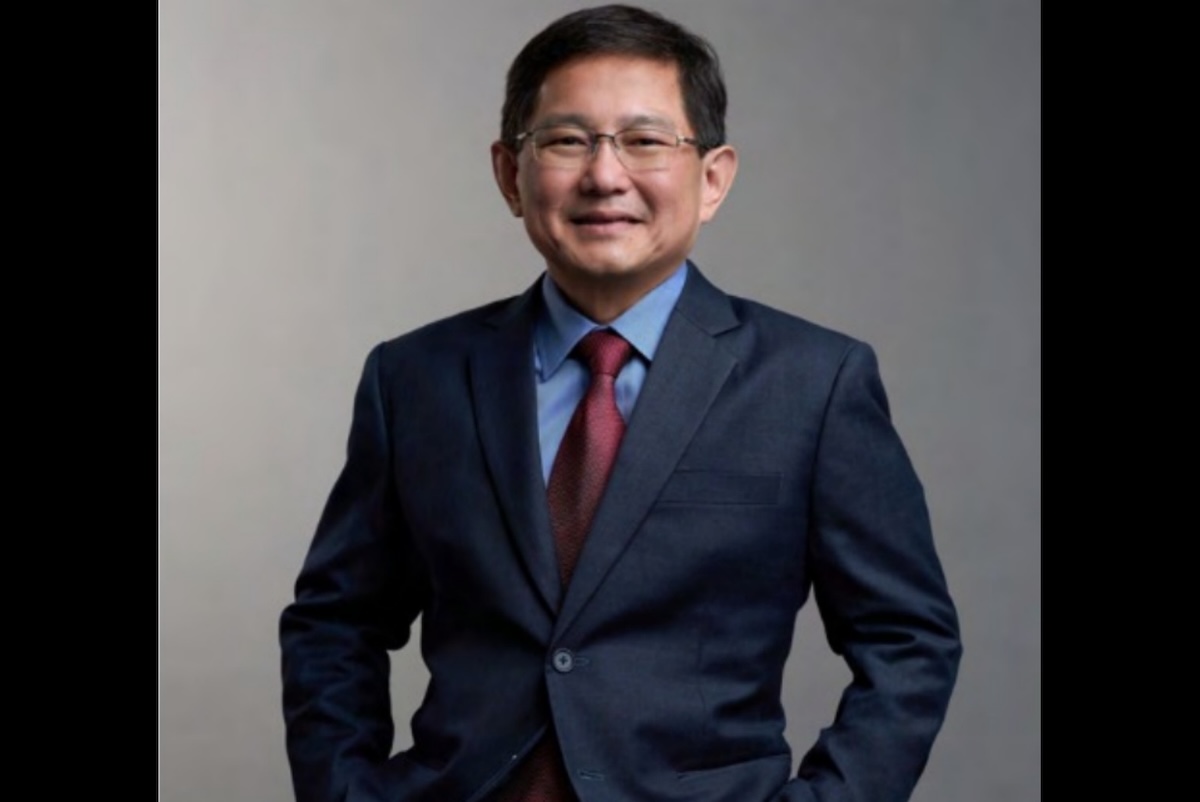
Leck Chet Lam, Managing Director, Experia Events
ADJ: Can you tell us more about the main focuses of this edition of the Airshow?
LCL: When we started Singapore Airshow in 2008, the industry has changed dramatically since and that’s what we’ve reflected in this year’s programme. I would say the main focuses for this edition are: integration of new defence technologies, sustainability and space.
We’re seeing a real shift in how capabilities are being developed. Today, the aerospace sector is about how air, maritime, cyber and space systems work together as one integrated ecosystem. For the coming edition, we are welcoming exhibitors who are bringing solutions that reflect this multi-domain reality, including:
• Autonomous and uncrewed systems – AirKamuy, Echodyne, Helsing, Hensoldt, Hawkeye 360, Performance Rotors, Prodrone, Quikbot, Quantum Systems, Red Cat, Shield AI, Universal Avionics
• Counter-UAS solutions – Honeywell, L3Harris, MyDefence, Saab, Shield AI, ST Engineering, TRD Systems
• AI, quantum, and cybersecurity technologies – Cybersafe, Cyber Sierra, EdgeCortix, Kookree, LQUOM, Q-CTRL
• Low-altitude economy and airspace operations – Aerospace Times, United Aircraft Group
• Next-generation propulsion and advanced manufacturing – VoltAero, Yeonhap
• Data connectivity and digital systems – Aireon, Cubic Defense, Gogo
• Platforms and advanced air mobility – Catalina Aircraft, General Atomics Europe, Radia
And of course, aerospace is made up of two parts – aero and space. Space has become foundational to everything we do, whether we’re talking about multi-domain operations or advancement in aerospace infrastructure. That’s why we’re launching our inaugural Space Summit with Singapore’s Office for Space Technology & Industry (OSTIn) and the Economic Development Board (EDB), to bring global policymakers, space agencies, business leaders, investors, innovators and leading space companies such as Transcelestial to discuss topics such as infrastructure, sustainability, investment and the in-space economy.
As we push for greater innovation, the question of sustainability becomes equally critical. It’s not just about what we can do, but how we do it responsibly. That’s why we’ve onboarded Neste as our official partner for Sustainable Aviation to showcase the impact of sustainable aviation fuel solutions at this year’s show. But it goes beyond our exhibitors – we’re also making commitments as an organisation, implementing sustainable practices in how we run the event itself. The industry has moved from aspiration to execution, and we need to lead by example.
ADJ: What are some of the newest aspects to the Airshow since its previous iteration?
LCL: Beyond the Space Summit we mentioned, we are introducing our brand new initiative, AeroLens – an exhibition to celebrate the 10th edition of Singapore Airshow through the lens of the aviation photography community.
These photographers have been with us from the start, capturing everything from the flying displays to the moments on the show floor that define what this event is about. Their images tell the story of Singapore Airshow better than we ever could and what excites me about AeroLens is that it creates an ongoing connection with our community, not just during the six days of the show.
We have always been thinking about how to build deeper relationships with the people who’ve been part of this journey and at our milestone edition, it felt right to look back at how far we’ve come – through the eyes of those who’ve been capturing it all along.
ADJ: How will the Airshow look to address emerging trends or shifts in the aviation sector across the defence and commercial aviation sectors?
LCL: Creating value-adding experiences has always been our priority at Experia and the same translates into the shows in our portfolio. It’s about staying at the forefront of where the industry is heading and create the platforms where conversations can happen meaningfully.
AeroForum is a key part of that. We’re working with partners across the industry to kickstart substantive conversations about the challenges we’re collectively facing: how do we integrate AI into defence systems responsibly? How do we secure increasingly connected aerospace infrastructure against cyber threats? What does net-zero actually look like in practice? How do we build resilient supply chains across the region? Our goal is to bring together the right mix of voices – government, industry, academia – because these are problems that require collaboration.
Focusing on the present is not enough, we also need to build the path forward. We need to be thinking about the talent pipeline, the skills that will be required, how we bring the next generation into this industry. AeroCampus is our commitment to that longer-term thinking, working with educational partners to help shape what the aerospace workforce of the future looks like.
ADJ: How do you perceive the Airshow’s role with regards to the latest advancements of technology in aviation?
LCL: I think our role is less about being a showcase for technology and more about being the place wher technology meets implementation. Anyone can display a capability or a platform, but the real work is in integration – how these technologies fit into existing systems, what partnerships are needed and what regulatory or operational frameworks enable deployment.
That’s where Singapore Airshow plays a unique role, particularly for Asia Pacific. We bring together the full ecosystem, from the innovators developing quantum and AI capabilities, to the operators who need to deploy them, to the policymakers who need to create the frameworks that enable responsible adoption.
What I’ve seen over two decades of Singapore Airshow is that the most meaningful outcomes don’t happen on the show floor alone – they happen in the meetings, the working sessions, the informal conversations where people are actually wrestling with how to take these advancements from concept to operational reality. Our job is to create the conditions for those discussions to happen, to connect the right people, and to give the industry a platform.
The technology will keep advancing and that’s a given. Our role is making sure the industry has a space to figure out what to do with it.
ADJ: As air power continues to be a major focus in Southeast Asia and Asia Pacific as a whole,how does the Airshow look to better position itself as a global platform?
LCL: Singapore has been a hub for aerospace and defence in Asia Pacific for decades, and we’ve built an ecosystem around that. Our focus moving forward is to continue earning that trust by ensuring what we’re doing remains relevant, value-adding, and leads to meaningful outcomes. That’s what keeps the industry coming back, and that’s what will cement Singapore Airshow’s position as a global platform
ADJ: With so much in store for this edition, what might we expect from the next Airshow?
LCL: Right now our focus is on making sure this milestone edition lives up to what the industry needs. But if I think about the trajectory we’re on, it’s clear that the themes we’re addressing now – multi-domain integration, space, sustainability, regional collaboration – these aren’t going away. If anything, they’re going to become more urgent.
What I expect is that we’ll continue deepening the platform we’ve built. The Space Summit this year is a starting point, not an end point. The biennial rhythm of Singapore Airshow gives us time to listen, adapt and respond to what the industry tells us they need. Every edition builds on the last and what we learn from 2026 will absolutely shape 2028.