

Philippines Aims For Missile Interceptor Systems
THE Philippines is looking to reinforce its air defence capabilities, particularly systems capable of intercepting enemy missiles according to Secretary of National Defense Gilberto Teodoro Jr.
“We need to increase the number of our anti-missile systems. It’s a question of national resilience and national defence. We should be taking such matters seriously,” the Secretary said. Additionally, he added that the country should ensure that its suppliers and contractors can meet the demands in the supply chain. “We need to ensure that our suppliers or contractors can meet our needs in times of crisis.”
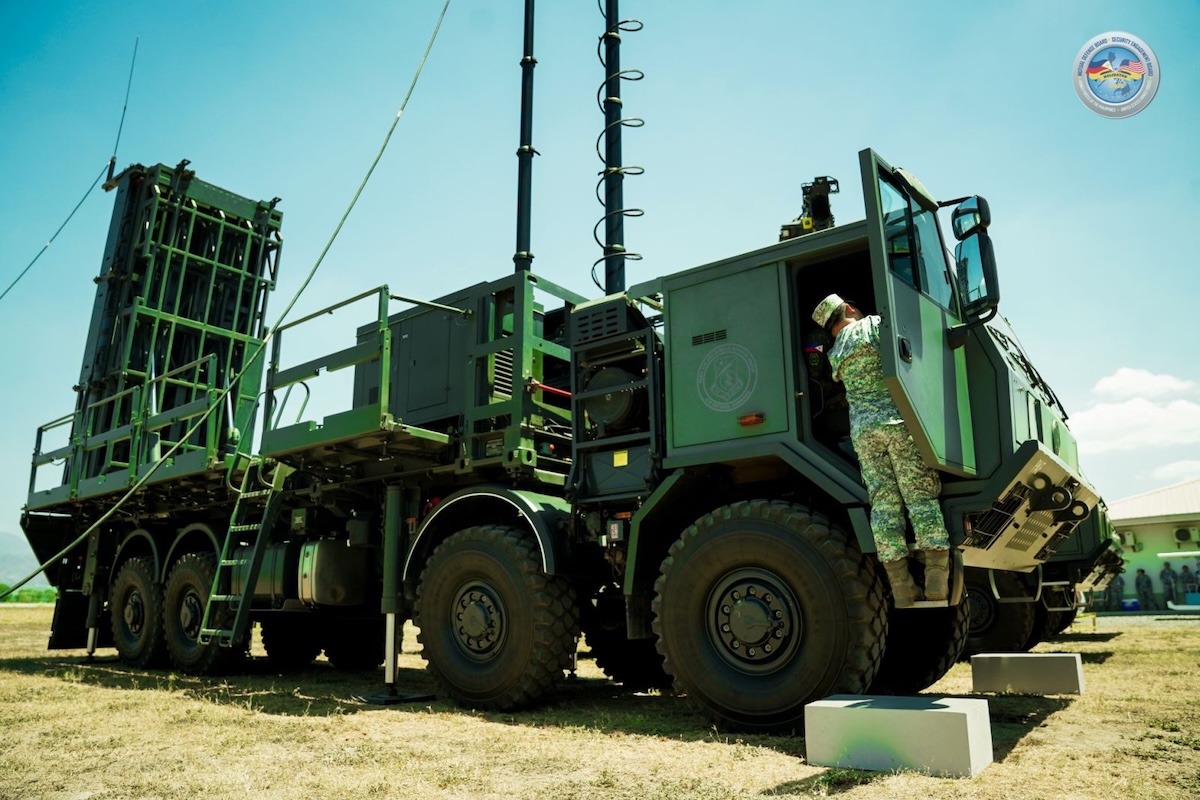
Currently, the Armed Forces of the Philippines (AFP) operates three batteries of Spyder air defence missile systems capable of low-level, quick reaction interception, and classified as a medium-range air defence (MERAD) platform.
The Philippines Air Force (PAF) inducted the SPYDER in 2022, the first modern surface-to-air missile (SAM) system for the AFP. Known as SPYDER Philippines Air Defense System (SPADS), it watches over critical installations, land-based fixed assets, mobile platforms, and friendly forces from aerial threats, such as aircraft and incoming ordnance. It is their secondary air cover after manned fighter cover courtesy of the PAF Korea Aerospace Industries (KAI) FA-50PH fleet. Only the Philippines and Singapore operate the SPYDER in Southeast Asia.
Slated for September 2-4, 2026, the sixth Asian Defense and Security (ADAS) is set to take place in Metro Manila’s World Trade Center at a crucial point in time where the Philippines looks to keep its momentum going and continue rapidly modernising its armed forces in its shift towards external defence.–-shp/adj/dl (Pix:AFP)
The Republic of Singapore Air Force (RSAF) operates several platforms in its enhanced Island Air Defence (IAD) system, mainly the ASTER 30 and Surface-to-air PYthon-5 and DERby (SPYDER) ground based air defence systems. The IAD system is a multi-layered networked island-wide networked system that brings together sensors, weapon systems, command and control elements and decision making tools to protect Singapore’s airspace. The ASTER 30 from MBDA provides the RSAF with an extended engagement envelope of up to 70km against fighter aircraft at a maximum altitude of 20km, able to engage multiple air threats simultaneously and neutralise them at a longer range and with greater precision.
Capabilities of the SPYDER air defence system manufactured by Israel’s Rafael include anti-aircraft and anti-munition capabilities at an effective range of 15km and altitudes of 9km. It is equipped for 360-degree engagement against aerial threats and can engage multiple aerial targets simultaneously.