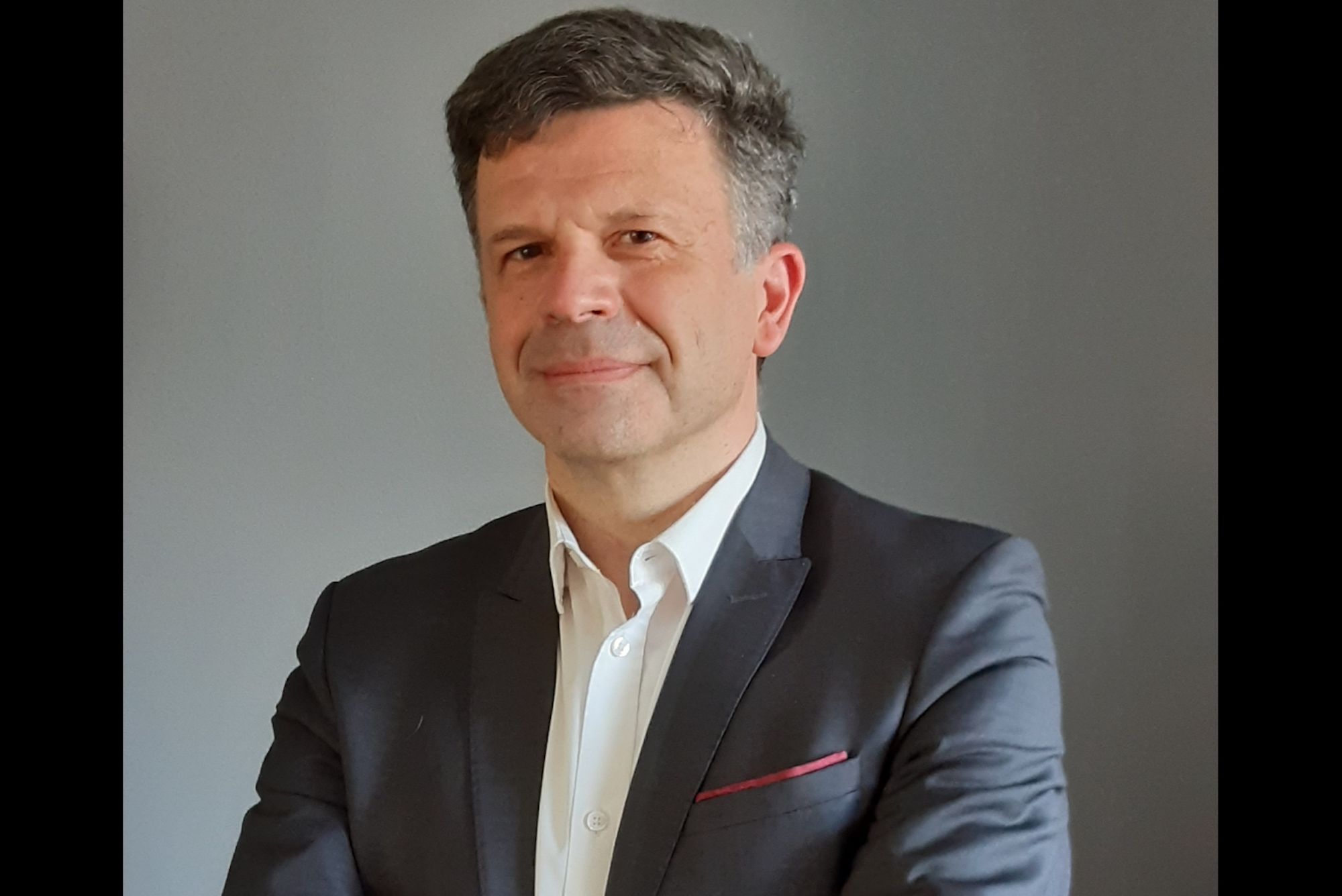
SECURE communications are crucial in daily life and even more so throughout times of disaster or disruptions. Head of Asia-Pacific Sales and Programme Delivery for Airbus Public Safety and Security Alain Ruinet discusses the topic with Asian Defence Journal.
ADJ: What are some of the challenges in ensuring stable and secure communications during times of disaster?
AR: Disasters often lead to the destruction or unavailability of commercial cellular infrastructure. In the Asia-Pacific region, a primary challenge is that remote areas with limited equipment might consequently be completely isolated. This requires projecting specific mission-critical communication means. Furthermore, disaster management is handled by various organisations depending on the country, such as defence ministries or civil defence agencies, which often operate in silos. This creates a need for ad hoc interoperability because of the unexpected presence of different forces at the scene who must coordinate immediately. Additionally, working with temporary rescue teams who might handle open or unprotected equipment can raise cybersecurity concerns.
ADJ: How does Airbus look to tackle communication challenges during disasters or climate-related disruptions?
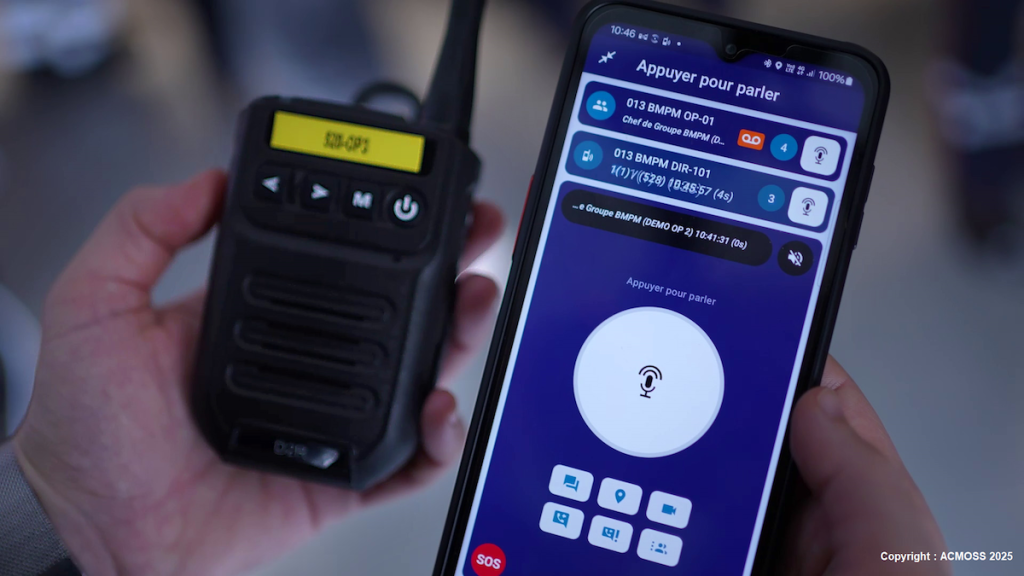
AR: Airbus serves as a one-stop shop for resilient, end-to-end solutions, helping countries translate their concept of operations into technical and system requirements through our team of Business Analysts. We ensure communication resilience through Agnet Direct, which allows device-to-device communication in “direct mode” when 4G/5G networks are unavailable. Ubiquitous connectivity is supported by integrating Agnet with satellite communications, utilising Eutelsat (with OneWeb military-ruggedised antennas and deployable nodes). Our approach includes vehicles acting as nodes, deployable command centres, and meshed networks to maintain a “tactical bubble” of coverage in remote or destroyed areas. We are also advancing future connectivity through a partnership on Non-Terrestrial Networks (NTN) with Singaporean agencies.
ADJ: What is Airbus’ focus in disaster response communications?
AR: Our focus is on achieving seamless interoperability between “blue” (public safety) and “green” (defence) forces. A hybrid model combining narrowband and broadband solutions is essential to enable this cooperation and to allow the involvement of non-professional volunteers, such as the Red Cross, who can use the Agnet application on their own smartphones. We aim to provide a secure, interoperable digital environment that supports the sharing of multimedia data, including the integration of Agnet with drones, helicopters, and telemedicine applications. By moving beyond simple voice communications, we provide the real-time situational awareness necessary for accurate decision-making in high-pressure environments.
ADJ: Can you tell us more about the lessons learned from prior deployments on disaster response?
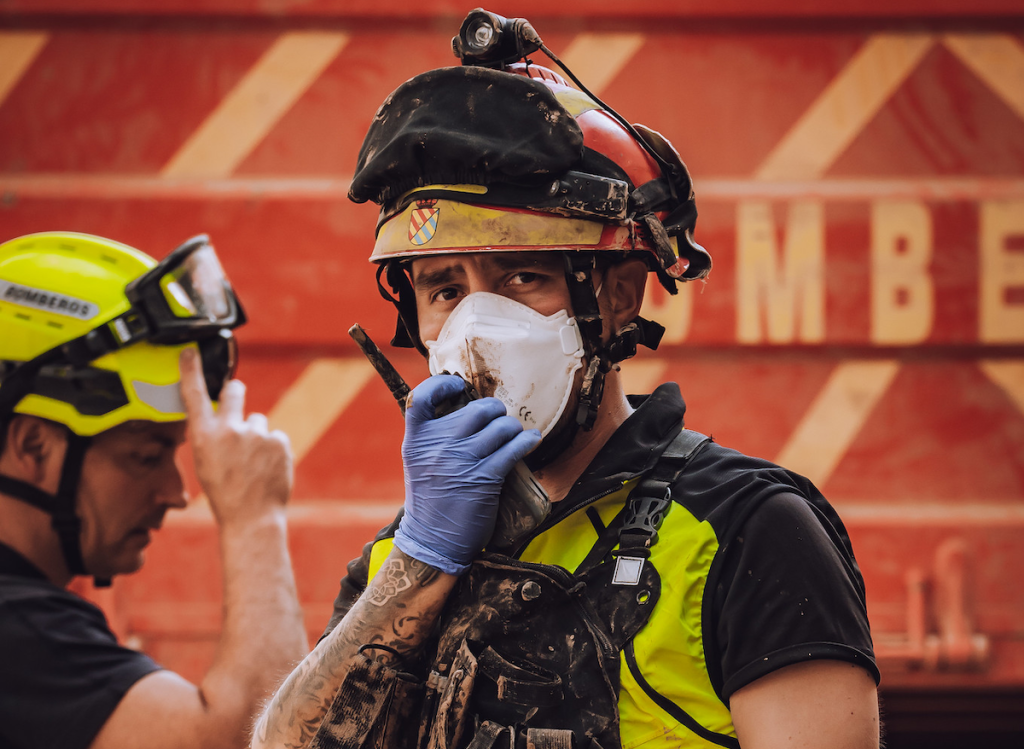
AR: Prior deployments have proven that resilience is built through cooperation, as seen during the 2024 floods in Valencia, Spain, where Airbus TETRA and Tetrapol networks allowed public safety and military organisations to successfully coordinate when other infrastructure failed. We have learned that preparedness is vital; testing tools early helps end users adapt to new technologies before a crisis occurs. Recent support in Mayotte and Dubai has also highlighted the importance of having flexible, deployable solutions that can be scaled quickly. Finally, what matters is a robust architecture—including smart gateways, interoperability between agencies, and bridging the gap between legacy (LMR) and broadband (MCX) networks—alongside thorough preparation, training, and customer support.