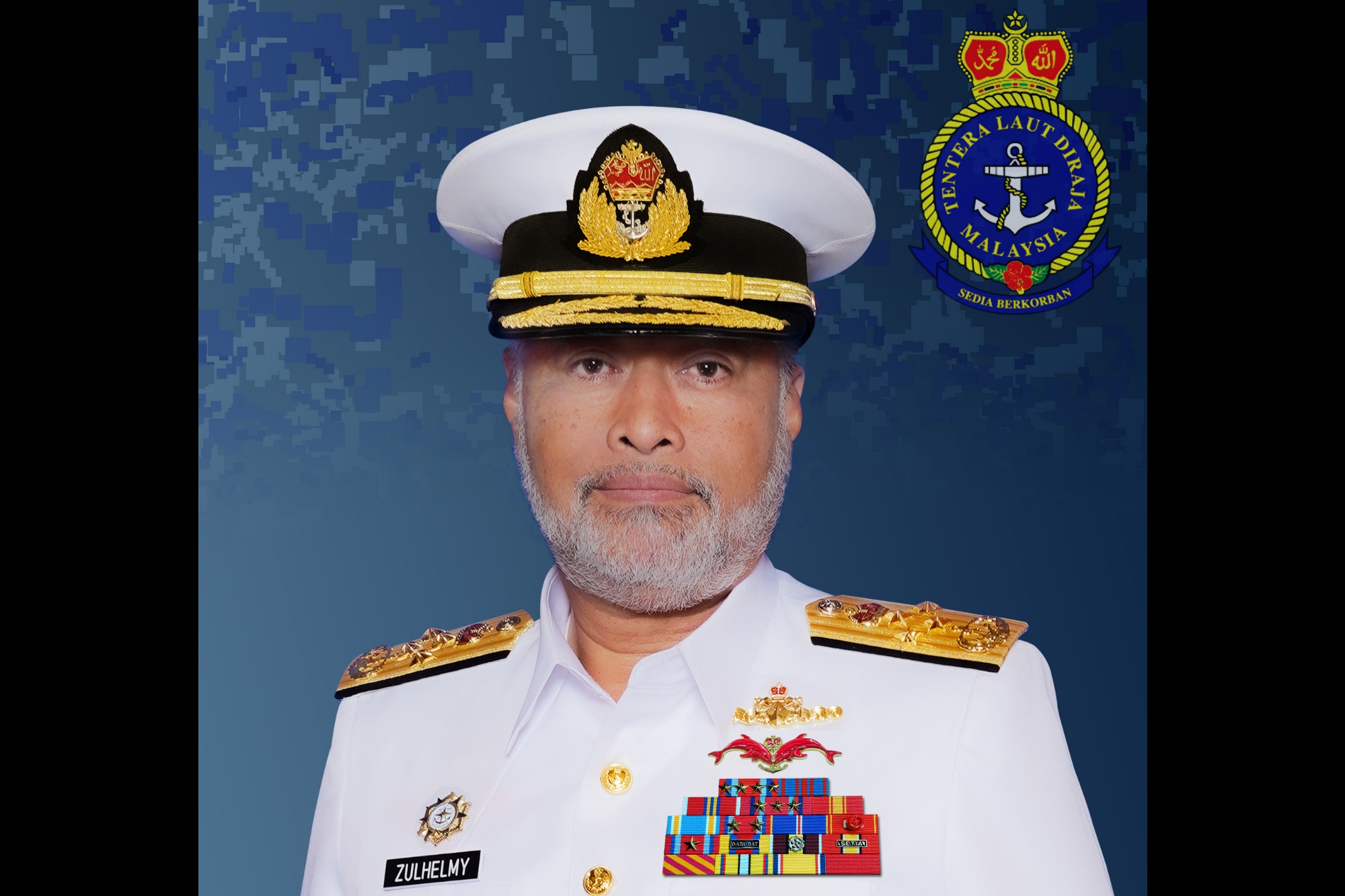
SPEAKING to Asian Defence Journal, Royal Malaysian Navy (RMN) chief Admiral Zulhelmy Ithnain discusses the Navy’s set course towards modernisation as the service marks its 92nd anniversary.
ADJ: What are some of the challenges currently faced by the RMN?
CN: The foremost challenge is fleet ageing. A significant number of our vessels have exceeded their intended service life, which affects availability, increases maintenance burden, and reduces operational efficiency. This has contributed to a readiness gap, where our current state does not fully meet operational demands due to delays in platform replacement and life-cycle management.
At the same time, the RMN is sustaining a high operational tempo, conducting multiple continuous and periodic operations across a wide maritime area. We also operate in an increasingly complex maritime environment, shaped by great power competition and overlapping maritime claims, particularly in the South China Sea.
ADJ: Could you share the latest progress on the RMN’s modernisation efforts, particularly regarding the “15 to 5” strategy?
CN: The RMN continues to make steady progress in modernisation efforts under the “15 to 5” transformation programme which aims to streamline the fleet into five main classes of ships. This approach enhances efficiency, reduces maintenance costs and improves overall operational readiness.
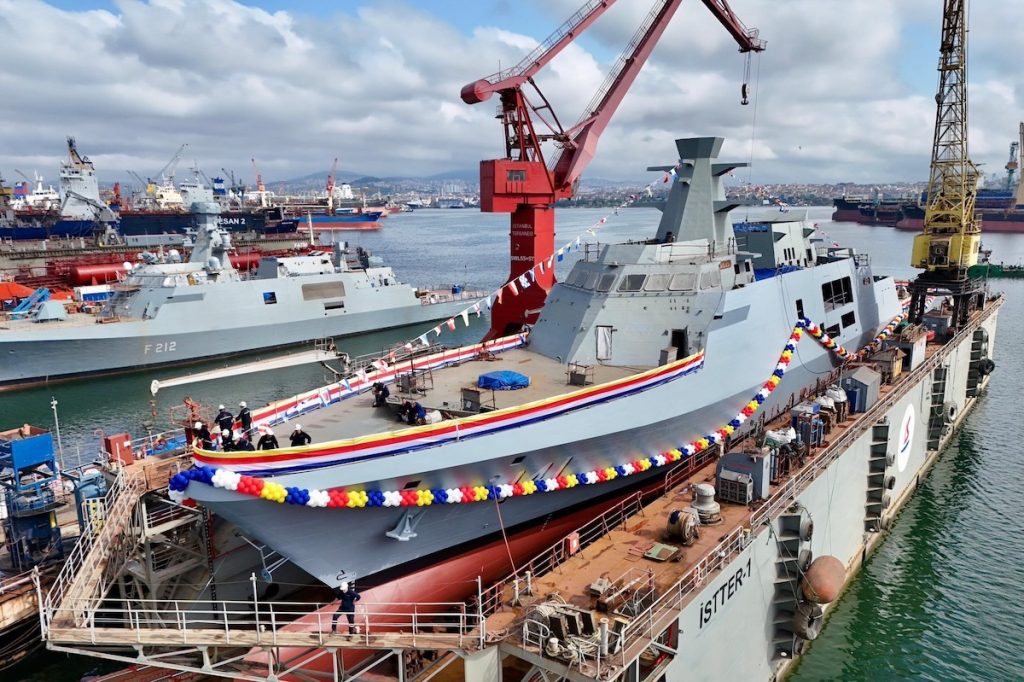
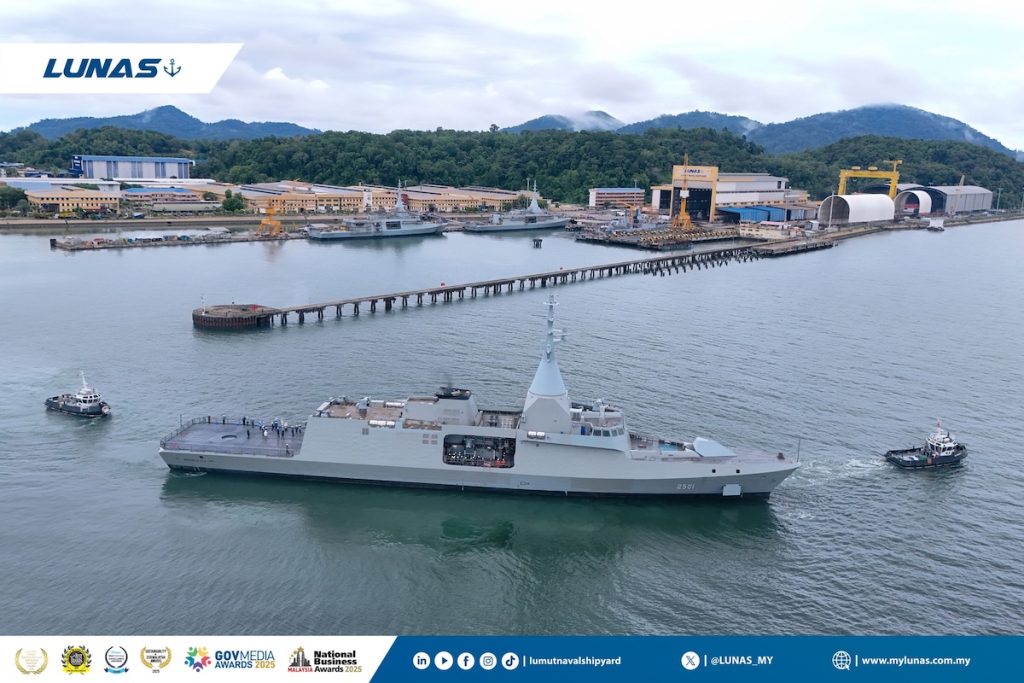
Key initiatives include the ongoing progress of the Littoral Combat Ship (LCS) project, the procurement of LMS Batch 2 (LMSB2), as well as upgrade programmes for existing assets. As part of capability enhancement efforts, the RMN is also working towards integrating missile systems onto Patrol Vessels (PV) to strengthen combat capability and effectiveness.
Despite financial constraints, the RMN continues to implement the “15 to 5” plan in phases based on priorities. The plan will also be reviewed from time to time to ensure it remains aligned with current needs and the evolving security environment. In addition, the RMN is developing its unmanned capabilities including Unmanned Surface Vessels (USV) and Unmanned Aerial Vehicles (UAV) to support surveillance and maritime security operations. These capabilities help improve situational awareness, reduce risks to personnel and extend operational coverage in line with the RMN’s move towards a more modern and capable force.
ADJ: Would you mind telling us about planned weapons procurements for the existing and future vessels?
CN: The RMN adopts an interest-based approach in developing its weapon systems for both existing and future naval assets. This is to ensure that its capabilities meet the requirement to safeguard Malaysia’s maritime interests based on the Defence White Paper (DWP) of Malaysia. In meeting the current threat, the LCS will be equipped with modern system such as the MBDA VL MICA Surface-to-Air Missile (SAM) system. These are supported with naval guns, torpedoes, and Close-In Weapon Systems (CIWS).
For the LMSB2, RMN is enhancing capability with the Roketsan ATMACA Surface-to-Surface Missile (SSM) for its anti-surface capability and the LIG Defence & Aerospace Haegung (K-SAAM) SAM for air defence. The ships will also be fitted with a 76 mm main gun and CIWS.
Meanwhile, the Kedah-class Patrol Vessels are undergoing capability enhancements through the procurement of Surface-to-Surface Missile (SSM) launchers. This upgrade will significantly improve their combat capability and overall operational effectiveness, enabling them to support the RMN’s maritime security missions better.
With regard to the anti-ship missile programme, the RMN had initially planned to equip both the LCS and the upgraded Kedah-class with the Naval Strike Missile (NSM). However, Norway’s revocation of Kongsberg’s export licence has affected these plans. The RMN is now evaluating alternative anti-ship missile solutions to meet its operational requirements.
ADJ: How is the RMN assessing its operational readiness to address current maritime threats and ensure national security?
CN: The RMN assesses readiness through a combination of force availability, deployment sustainability, and mission effectiveness. We adopt the Fleet-in-Being concept, where a credible and persistent naval presence acts as a deterrent and ensures sovereignty is continuously asserted.
Our planning is guided by the Baseline Force concept, targeting 61 platforms to ensure sufficient coverage of the Malaysian Maritime Zone. Operationally, we implement Concentric Deterrence, with layered defence across:
• Core Area
• Extended Area
• Forward Area
While these frameworks are sound, we recognise that capability gaps remain, and this is precisely why the “15-to-5” Transformation Programme Re-alignment is being accelerated.
ADJ: Are you able to tell us more on the Multi-Role Support Ship (MRSS) programme that the defence ministry has outlined in upcoming procurements?
CN: The MRSS programme is a key capability development initiative for the Malaysian Armed Forces (MAF) which are aimed at enhancing its amphibious operations, logistics support and humanitarian assistance and disaster relief (HADR) capabilities of the MAF. The programme, approved under 13th Malaysia Plan, Rolling Plan 1 (2026) will enhance the RMN’s capability in supporting operations at sea, particularly in terms of mobility and logistics. It is currently in the procurement phase with the MAF and RMN undertaking the necessary preparations to ensure both amphibious and strategic sealift capabilities are developed in a comprehensive and structured manner.
The new MRSS is also planned to replace existing MPCSS vessels, namely the KD KD Sri Indera Sakti and KD Mahawangsa under the “15 to 5” Programme which are scheduled to be decommissioned in 2029 and 2030 respectively. The MRSS will significantly enhance the MAF’s amphibious and strategic sealift capabilities by providing the ability to deploy, sustain and reposition forces over extended distances. It will enable the transportation of larger numbers of troops, vehicles, and equipment in a single lift, support joint and expeditionary operations, and ensure sustained logistical support in both peacetime and contingency scenarios, including HADR missions, as outlined in the DWP.
ADJ: Can you update us on the joint-ness and cooperation between the RMN and the Malaysia Maritime Enforcement Agency (MMEA) in the context of avoiding aggressive military tactics in sensitive grey-zone operations?
CN: The RMN adopts a maritime collaboration approach, working closely with the MMEA and other agencies. In grey-zone situations, the MMEA takes the lead in enforcement, while the Navy provides support in terms of presence, deterrence, and escalation management. Operations such as Operation NAGA and Operation GUARD demonstrate the effectiveness of a Whole-of-Government (WoG) approach, integrating multiple agencies to address maritime threats. This approach allows Malaysia to assert its sovereignty without resorting to aggressive military posture, which is critical in sensitive areas like the South China Sea.
ADJ: How will the soon-to-be-delivered LMSB2 complement the RMN’s fleet modernisation efforts and enhance operational capabilities?
CN: The acquisition of LMSB2 is intended to address critical capability gaps within the RMN fleet, particularly in light of the increasing obsolescence of its combat capabilities. Accordingly, LMSB2 will be equipped with modern weapons and sensor systems currently available in the market, with a strong emphasis on systems manufactured in Turkiye. This positions LMSB2 among the pioneering platforms in the region to incorporate indigenous Turkish naval solutions, providing a strategic advantage through enhanced familiarity and exclusive operational knowledge of these systems.
These vessels are specifically designed to meet the operational requirements of the RMN, enabling effective deployment in both the Malacca Strait and South China Sea. The design is proven, having been successfully adopted by the Turkish Naval Forces and other navies. Furthermore, the platform supports multi-dimensional operations, encompassing both military missions and maritime security operations.
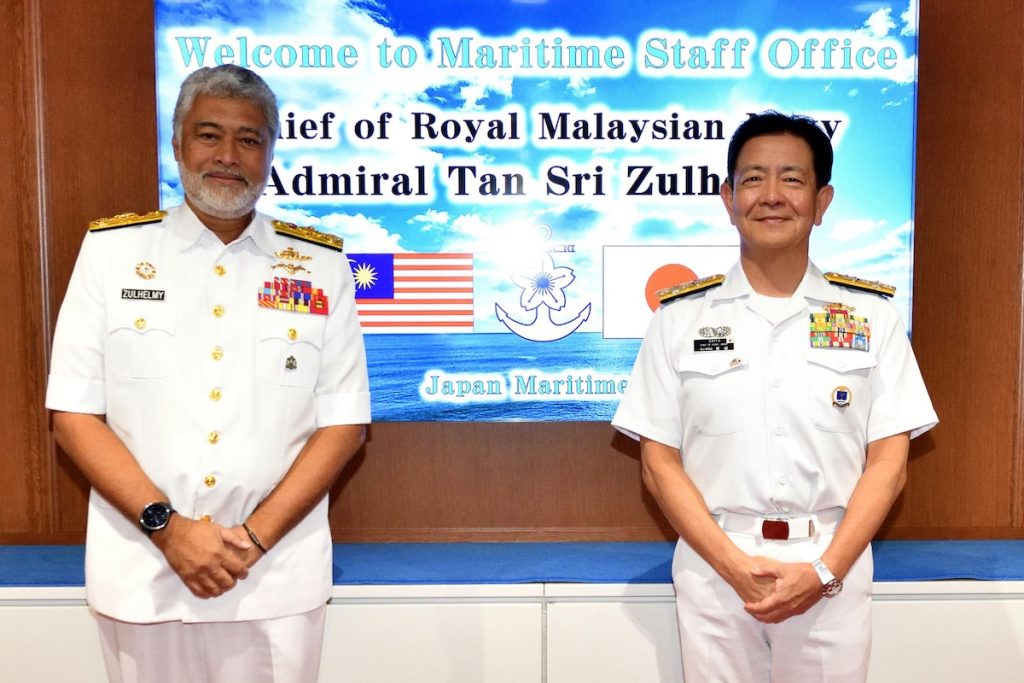
ADJ: How does the RMN’s brand of naval diplomacy add to the collective ASEAN effort to resolve disputes between the US, China and ASEAN in our own maritime backyard?
CN: The RMN actively contributes to regional stability through naval diplomacy, engaging in bilateral and multilateral cooperation. This includes:
• Joint exercises
• Navy-to-Navy talks
• Port visits
• Defence cooperation programmes
Through platforms such as the Five Power Defence Arrangements (FPDA) and Association of Southeast Asian Nations (ASEAN) engagements, the RMN supports confidence- building measures and transparency. Malaysia maintains a balanced and non-aligned approach, engaging all parties while avoiding escalation or bloc politics. In 2025 alone, Malaysia received 75 port visits from naval forces of 14 countries, including the US, China, India and regional partners. These engagements reflect continued trust and open communication among navies operating in our region. Through this approach, the RMN supports ASEAN centrality, promotes transparency, and reduces the risk of miscalculation in contested maritime areas.
ADJ: How does RMN ensure that the integration of new technology effectively supports its strategic and operational missions?
CN: For the RMN, it’s not just about having the latest gadgets, it’s about how that technology actually helps our sailors do their jobs better and keeps our mission on track. RMN ensures that new technologies support its strategic and operational missions by aligning them with national defence priorities, long-term capability plans, and available resources.
Guided by the DWP and vision of Future Force, the RMN will be adapting the technology-oriented force such as unmanned platforms, autonomous systems, artificial intelligence, and long-range precision strike capabilities. This helps the RMN identify technologies that offer asymmetric advantages without trying to match costly high-end capabilities that may be financially unsustainable.
Given fiscal constraints, the RMN is adopting artificial intelligence (AI) primarily as a decision-support tool, initially focused on enhancing Maritime Domain Awareness (MDA) through advanced data fusion and anomaly detection. By integrating inputs from radars, AIS, satellites, and unmanned systems, AI delivers faster and more accurate operational insights. This enables commanders to identify patterns of concern more effectively.
Moving forward, AI integration will expand into predictive analytics and decision optimisation across training, operations, deployment, maintenance, and logistics. This integration is guided by a capability-based planning framework, which ensures that new systems are supported by the necessary doctrine, organisation, training, leadership, personnel, facilities and information systems for effective use.
In command and control, the RMN maintains that authority and accountability remain with human commanders. Technology-driven is pursued as an enabler through human-machine integration, not replacement. While it accelerates decision-making and enhances situational awareness, it cannot substitute judgement, intent, or legal and ethical responsibilities. The key challenge is aligning doctrine, training, and organisational culture to ensure technology-driven adoption delivers sustained operational advantage.
In essence, the RMN’s technology-driven voyage is anchored in human-machine integration. We don’t just buy technology, we build a system where the tech and the human element work in perfect harmony.
ADJ: Can you share the latest update regarding the possible procurement for another two more submarines announced by the government in February 2023?
CN: According to current planning, the acquisition of two more submarines is scheduled under the 14th Malaysia Plan, beginning in 2031. This initiative is also guided by the RMN’s long-term force structure requirements under the “15-to-5” Transformation Programme Re-alignment (Platform), aimed at strengthening undersea warfare capabilities and ensuring sustained maritime security. At the same time, the RMN continues efforts to ensure the readiness of its existing submarines through a mid-life upgrade programme, in order to maintain operational capability and safety.
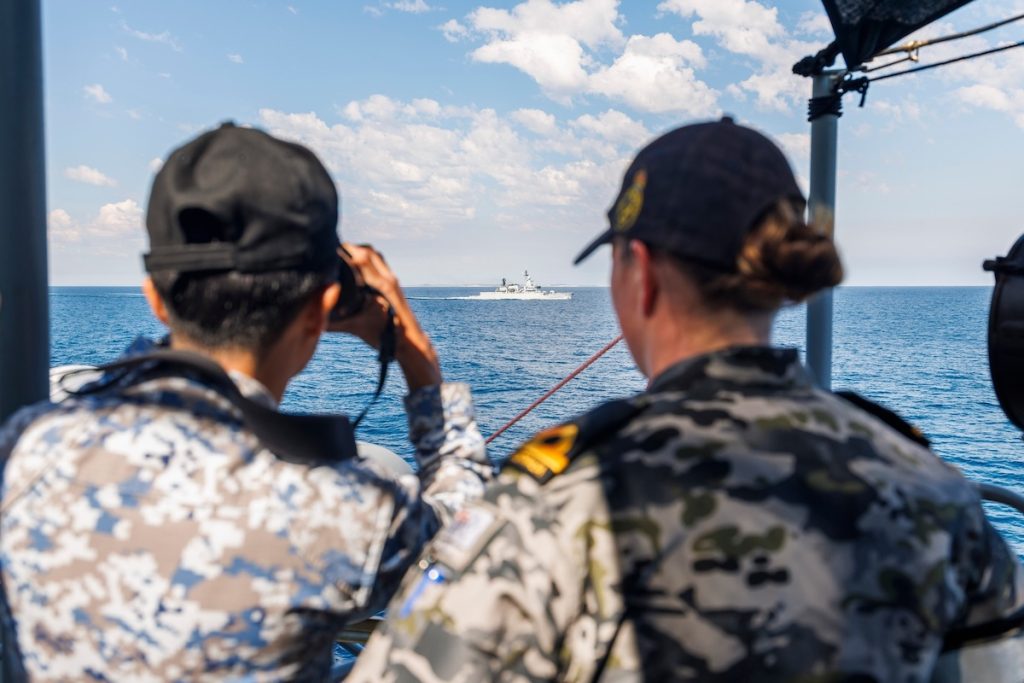
ADJ: What exercises will the RMN participate in at home and abroad this year?
CN: This year, the RMN will continue to conduct a series of exercises domestically, regionally and internationally to ensure our fleet remains at the highest level of readiness.
Domestically, intra-RMN exercises such as Exercise KERISMAS and OSTEX will focus on enhancing operational capability and combat preparedness within the RMN Fleet. At the same time, RMN assets will also take part in inter-service exercises such as Exercise PAHLAWAN to enhance jointness and interoperability.
Regionally, the RMN maintains five bilateral exercises biennially with ASEAN countries, several of these exercises under the ambit of ASEAN which is China, Japan, US and India “+ 1” maritime exercise as well as multilateral exercises hosted by Indonesia, the Philippines and our own Navy. Internationally, the RMN has been participating in multilateral exercises such as Exercise KAKADU with Royal Australian Navy (RAN), Exercise MILAN with the Indian Navy, as well as bilateral exercises such as the Malaysia-Pakistan, Malaysia-Japan, Malaysia-France exercise among others which emphasise on regional maritime security cooperation and building interoperability with our strategic partners.
Our participation in Exercise KAKADU 26 in Australia was conducted in conjunction with the International Fleet Review (IFR) in Sydney, held to commemorate the RAN’s 125th anniversary. Following Exercise KAKADU 26, the RMN conducted MASTEX 26, continuing our biennial cycle of bilateral exercise with the RAN. These continuous engagements reflect our enduring commitment to safeguarding Malaysia’s maritime sovereignty and contributing to regional stability.
ADJ: It is understood that the Tun Sharifah Rodziah Sea Base will be decommissioned soon. What will its new replacement be and how does it help with the RMN’s posture in Sabah?
CN: The Tun Sharifah Rodziah Sea Base will be replaced by the Multi Purpose Command Platform (MPCP) which will provide a more effective and sustainable forward operating as well as command capability.
It will support the RMN in maintaining a continuous maritime operation in the Eastern Sabah Security Zone (ESSZONE) and enhance the conduct of maritime security operations. Aside from that, it will also enable more effective long range intelligence, surveillance and reconnaissance (ISR) operations in Sabah’s waters through the use of modern and advanced technologies.
Equipped with enhanced surveillance systems including UAVs and USVs, the platform will support early detection of contacts at extended ranges and allow more responsive and efficient maritime operations.
ADJ: With so much attention on the South China Sea, how has the RMN fared in handling non-traditional security challenges such as maritime piracy and other transnational crimes in Malaysian waters?
CN: The RMN continues to address non-traditional threats through persistent patrols and inter-agency cooperation. Operations such as Operation NAGA and Operation GUARD demonstrate a coordinated approach in tackling:
• Illegal fishing
• Smuggling
• Human trafficking
These threats are increasingly transnational and complex, often involving organised networks and advanced methods. Our role is to ensure maritime security, economic protection, and safe sea lines of communication, working alongside other enforcement agencies.